In this brief
A drinkware shipment is only "sold" once it clears the border of the market you are selling into. For bottles, tumblers, mugs and their lids, that clearance rests on food-contact compliance — the rules that govern anything a human mouth, lip or hand will drink from. Get it wrong and the cost is not a fine alone: it is a detained container, a recalled SKU and a damaged relationship with a retailer who simply will not reorder. This brief is written from the factory side, because the cheapest place to fix compliance is on the production line, not at the port.
1. Why compliance is a commercial issue, not paperwork
Food-contact rules exist to stop harmful substances migrating from a container into what you drink. For a stainless bottle that means controlling nickel, chromium and heavy-metal release; for a plastic lid or silicone gasket it means controlling monomers, plasticisers (phthalates) and bisphenols (BPA). Regulators in the EU and US enforce this through different laws, but the business consequence is identical: the importer of record is responsible for placing a compliant product on the market. The factory can supply the evidence, but you hold the liability. That single fact is why a compliance conversation should happen at the quotation stage, not after production.
2. The EU regime: EC 1935/2004 and LFGB
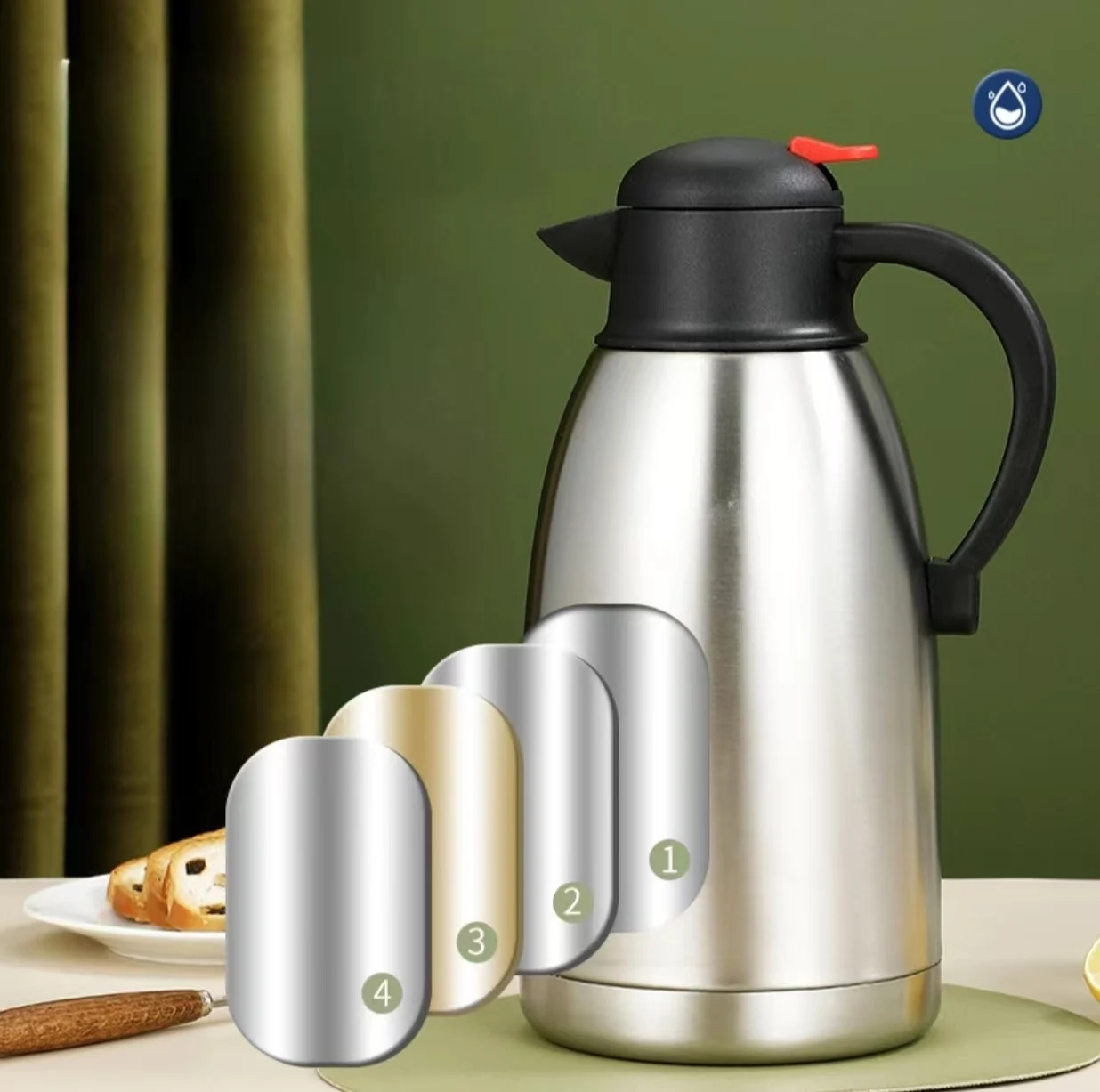
The legal backbone of EU food-contact law is Regulation (EC) No 1935/2004, the Framework Regulation. It applies to all materials intended to come into contact with food, and it sets the general safety principle: materials must not transfer constituents to food in quantities that could endanger human health or change its composition unacceptably. On top of the framework, specific measures cover plastics, ceramics, metals and more.
In practice, German-speaking buyers and many pan-EU importers ask for LFGB compliance. LFGB is the German Food and Feed Code, and it is widely regarded as the stricter national benchmark. A product that passes LFGB testing signals a higher bar than the EU baseline alone. For most drinkware programs selling into Europe, the practical document stack is: an EU Declaration of Conformity anchored on EC 1935/2004, plus LFGB test reports where the buyer or market demands the stricter mark.
3. The US regime: FDA, Prop 65 and the plastic file
In the United States, food-contact materials are regulated by the U.S. Food and Drug Administration (FDA) under the Federal Food, Drug, and Cosmetic Act, with specific provisions in 21 CFR for polymers and additives. For drinkware this means your plastic lids, straws and gaskets must be made from FDA-compliant polymers, and you should hold the manufacturer's letter or test evidence to that effect.
Separately, California's Proposition 65 (the Safe Drinking Water and Toxic Enforcement Act) requires a warning if a product exposes users to listed chemicals above defined thresholds. It is a California law, but because most US e-commerce and retail distribution touches California, importers routinely treat Prop 65 as a de-facto national requirement. The common Prop 65 items for drinkware are lead, cadmium, and certain phthalates and bisphenols. A clean test report, or a properly worded warning where applicable, keeps the product defensible.
4. The tests that matter by material
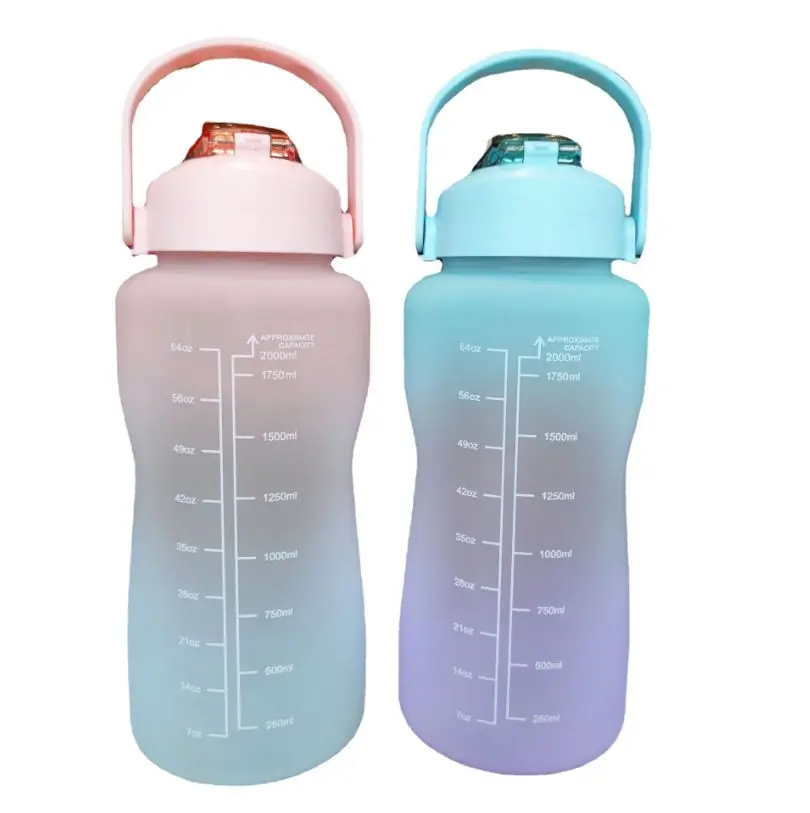
Compliance is not one certificate; it is a set of tests matched to each material that touches the contents. The table below maps the usual requirements.
| Component | Typical tests / evidence | Common standard |
|---|---|---|
| Stainless body (304 / 316) | Heavy-metal release / migration, chromium & nickel | EU 1935/2004, LFGB |
| Plastic lid / bottle (Tritan, PP, etc.) | Overall migration, monomer residue, FDA compliance letter | FDA 21 CFR, EU 10/2011 |
| Silicone gasket / straw | Volatile matter, migration, pliability | FDA / LFGB |
| Painted / coated surface | Heavy metals (Pb, Cd), scrape resistance | Prop 65, LFGB |
| All plastic parts | BPA-Free and phthalate declaration | FDA / REACH / Prop 65 |
REACH deserves a separate mention. The EU's Registration, Evaluation, Authorisation and Restriction of Chemicals regulation restricts substances of very high concern (SVHC) that may appear in coatings, inks and plastics. A REACH declaration from the supply chain is a normal part of a complete drinkware compliance file for Europe.
5. The document set you must hold
Before goods ship, your compliance file should contain, at minimum:
- Declaration of Conformity anchored to the applicable regulation (EC 1935/2004 for EU; FDA statement for US).
- Test reports from an accredited lab (we work with SGS and TÜV) covering each food-contact material — steel body and plastic parts separately.
- BPA-Free and phthalate declarations for all polymer components.
- REACH / SVHC statement for EU-bound goods.
- Prop 65 assessment (or warning) for US distribution.
- Material traceability — the steel grade and polymer resin identity actually used in your batch, not a generic substitute.
6. Five pitfalls that sink first-time importers
| Pitfall | What goes wrong | How to avoid it |
|---|---|---|
| One certificate for everything | The lid fails because only the bottle was tested | Request a file per component material |
| Certificate older than the material | Supplier or resin changed; old report no longer applies | Re-confirm per purchase order, match to batch |
| Generic "food grade" claim | No migration data to back the claim | Demand the actual test report |
| Ignoring Prop 65 | US retail rejection or settlement demand | Treat as national default for US sales |
| Assuming LFGB = EU requirement | Over- or under-buying testing for the target market | Match the certificate to where you actually sell |
SSMug operates under SGS, TÜV, ISO 9001, FDA and LFGB, and compliance files are supplied with every shipment — covering both the stainless body and the plastic components. As a factory-based supplier (not a trading company), we can match the certificate to the exact batch and material you order, which is the cheapest insurance against a border hold.
7. FAQ
Do I need different certificates for the steel body and the plastic lid?
Yes. Each material that touches food or drink must be covered. The stainless body needs a material conformance statement and migration testing; the plastic lid, silicone gasket and any straw need their own food-contact certificates (e.g. FDA or LFGB) and, where relevant, BPA-Free and phthalate declarations. Request a separate file for each component.
Is LFGB required for all EU sales, or only Germany?
All EU members accept the general EU Framework Regulation (EC) No 1935/2004. LFGB is the German national food-contact law and is widely treated as the stricter default in the German-speaking market. Many importers request LFGB testing even for pan-EU sales because it signals a higher bar, but for non-German EU markets the EU framework plus a Declaration of Conformity is the legal minimum.
Who is responsible if a product fails a food-contact check at customs?
The importer of record is ultimately responsible for placing compliant products on the market. That is why you should hold the factory's certificates and a Declaration of Conformity in your file before shipping, not after a hold.
How long are compliance certificates valid?
Certificates are typically issued per material batch or per annual testing cycle. Best practice is to re-confirm compliance files with every new purchase order and keep the documentation matched to the batch you actually ship.
Need the compliance file matched to your product and market?
Tell us where you sell and what you are importing — steel, plastic, or both — and we will send the exact food-contact certificates and migration reports for your components, with no guessing.
Yongkang STWADD Houseware Co., Ltd. (the manufacturer behind SSMug) is a factory-based drinkware supplier in Yongkang, Zhejiang — the heart of China's drinkware cluster. We welcome document audits before you order and quote itemized, compliance-inclusive pricing so there are no surprises at the port.
Talk to our team about your market's requirements
No forms, no waiting. One email and you'll be talking to our sourcing team about exactly which certificates your destination market needs — typically within one business day.