In this guide
Most importers send a version of the same first message: "I want a stainless steel water bottle, please quote." It is honest, but it is also the reason they wait a week for three quotes that cannot be compared — because each factory quietly assumed a different steel grade, capacity, lid, finish and decoration tier. A one-page spec sheet fixes this. It takes ten minutes to write and turns a guessing game into a real sourcing decision.
1. Why a vague inquiry wastes two weeks
A drinkware unit price is not one number. It is a stack of at least six independent choices: body material, capacity, surface finish, lid and accessory, decoration, and packaging. Leave three of them unspecified and two factories will quote two completely different products at two different price points — and the cheaper quote is usually just a thinner spec. The buyer then spends another round of emails reconciling them. A complete spec sheet returns tight, comparable quotes the first time, which is what actually shortens the timeline.
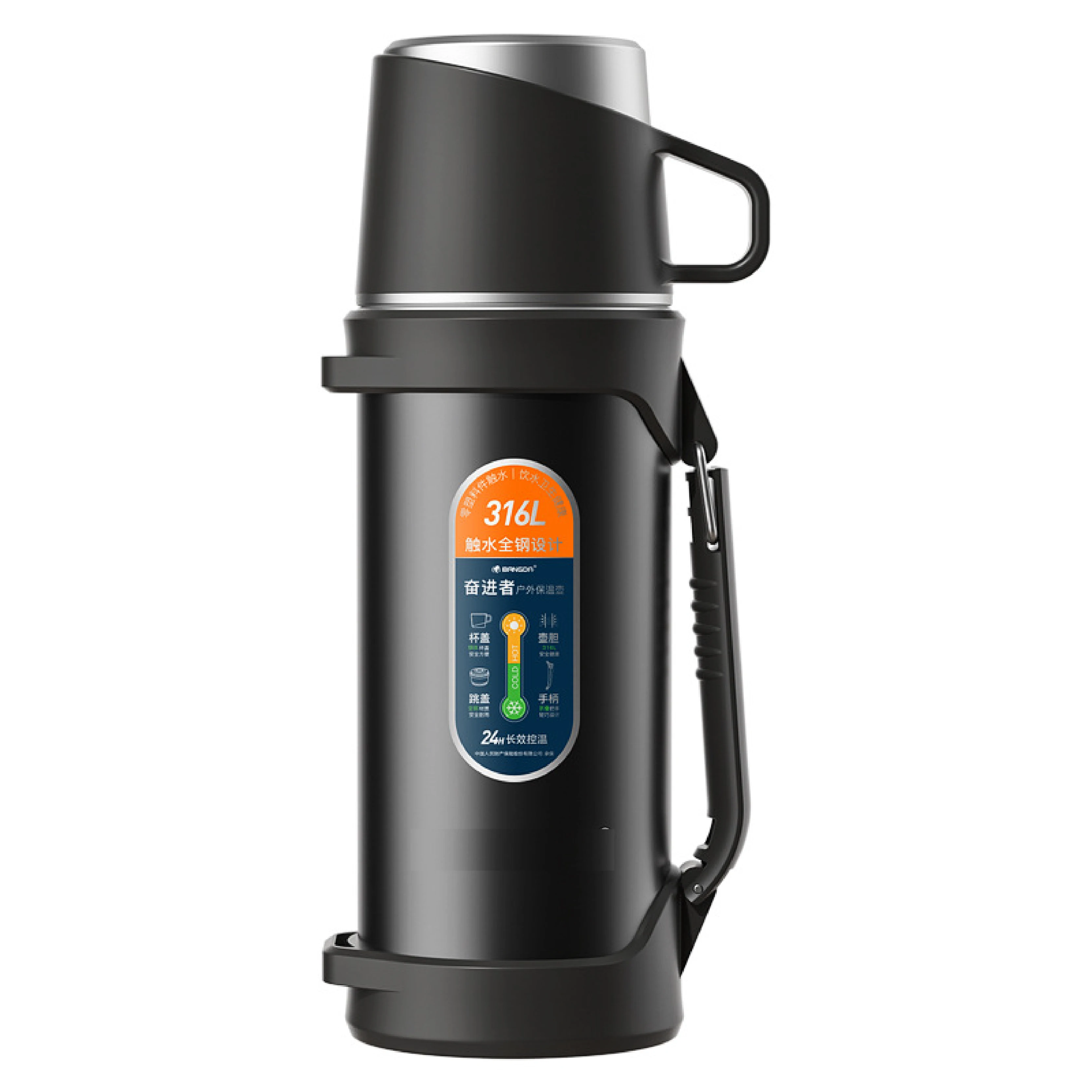
2. The seven fields every drinkware RFQ needs
If you state these seven fields, a competent factory can return an itemized quote the same business day. Miss them and you are back in the guessing game.
- Product type & capacity — bottle, tumbler, mug, flask, lunch box; exact ml/oz.
- Material grade — 304 vs 316 stainless, or BPA-free plastic; this drives both price and corrosion resistance.
- Surface finish — powder coat, mirror, matte, rubberized, or spray.
- Lid & accessory — straw, slide, flip, handle, screw, clear; gasket grade and straw material.
- Decoration — laser, screen print, heat transfer, 3D logo; colors and placement.
- Quantity & market — units per order, annual volume, destination market (sets the compliance file).
- Compliance required — FDA, LFGB, CA Prop 65, REACH, or simply "food-contact safe."
3. Spec-sheet template
Use this table as your RFQ. Fill every row. If a row genuinely does not apply, write "factory default" so the supplier knows you are delegating the choice, not forgetting it.
| Field | What to state | Why it matters |
|---|---|---|
| Product & capacity | e.g. 500 ml double-wall bottle | Decides body tooling and price base |
| Material grade | 304 / 316 / BPA-free plastic | Corrosion resistance and cost |
| Finish | powder coat / mirror / matte | Low–moderate price impact |
| Lid & accessory | straw / slide / flip / handle | Sealing, use case, gasket cost |
| Decoration | laser / screen / 3D logo | Setup fee and per-unit cost |
| Quantity & market | units/order, destination | MOQ and compliance file set |
| Target price range | e.g. $2.20–$2.70 FOB | Calibrates the spec tier quoted |
| Packaging | white box / color box | Low–moderate cost |
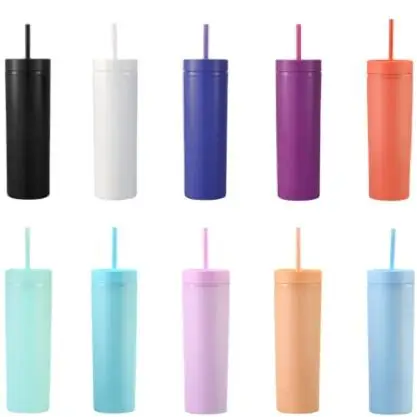
4. Worked example: a 500ml insulated bottle
Here is a real, comparable spec and what each line changes in the quote. Two factories quoting this exact sheet cannot hide behind different assumptions.
| Spec line | Choice | Effect on quote |
|---|---|---|
| Body | 500 ml, 304SS double wall | Baseline unit price |
| Finish | matte powder coat, 1 color | + low per unit |
| Lid | slide lid + silicone gasket | + low–moderate |
| Decoration | laser engraving, 1 position | + setup amortized, near-zero per unit |
| Packaging | custom color box | + low–moderate |
| Quantity | 3,000 pcs, FOB Ningbo | MOQ met, tier-1 price |
| Compliance | FDA + LFGB files | Files supplied, no unit cost |
5. How to set a target price without anchoring wrong
Share a range, not a single number. A range tells the factory which material grade, finish and decoration tier to design against. Quote against $2.20–$2.70 FOB and you will get a spec in that band. Quote against a hard "$2.00" and you may get a thinner wall or a cheaper lid you did not want — or you may get silence from suppliers who cannot hit it honestly. The range is a calibration tool, not a negotiation opener.
6. RFQ mistakes that delay production
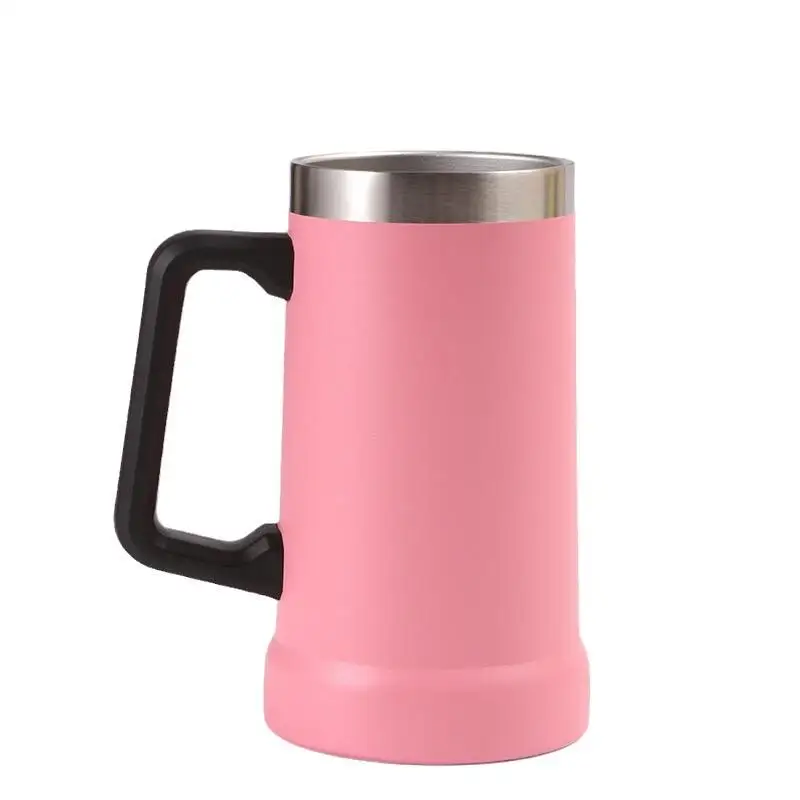
- Sending a photo with no dimensions. A picture confirms the look, not the ml, wall thickness or lid mechanism. Add numbers.
- Mixing "nice to have" with "must have." Mark deal-breakers clearly so the factory does not over-spec and over-price.
- Forgetting the market. EU and US food-contact files differ; naming the destination up front prevents a compliance rework after sampling.
- Negotiating price before the spec is fixed. Until the spec is locked, any price is a moving target.
- Asking for a "best price" with no quantity. MOQ and volume tier decide the number; without them the quote is a placeholder.
7. FAQ
What information does a drinkware factory need to quote?
A useful quote needs at least: product type and capacity, material grade (e.g. 304 or 316 stainless), surface finish, lid/accessory type, decoration method, target quantity and market, and the compliance files you require (FDA, LFGB, etc.). The more precise the spec, the tighter and more comparable the quote.
How detailed should my spec be for a stock model?
For a stock model from a 167+ catalog, you mainly choose capacity, color/finish, lid and decoration. You do not need engineering drawings. For a fully bespoke shape (new mold) you should supply 2D/3D drawings or a physical sample so the factory can quote tooling and tooling cost accurately.
Should I share a target price in the RFQ?
Share a target price range, not a single fixed number. A range tells the factory which material grade, finish and decoration tier to quote against, and prevents you from being anchored to a spec you cannot afford or a spec richer than you need.
How fast can I get a quote and a sample?
A clear RFQ typically returns an itemized quote within one business day. Sampling runs 5–7 days, with the sample fee refundable on a confirmed bulk order. Mass production follows at 25–35 days after deposit.
Send us your spec sheet — get an itemized quote in one business day
Fill the seven fields above and email it to us. We reply with a line-by-line quote: body, finish, lid, decoration, packaging and lead time — so you can compare us against any supplier on your shortlist.
Yongkang STWADD Houseware Co., Ltd. (the manufacturer behind SSMug) is a factory-based drinkware supplier, not a trading company. We welcome live video audits of the production floor, share compliance files upfront, and quote itemized price tiers against your exact spec — so the number you compare is the product you actually get.
Not sure how to spec your product? Talk to a human.
No forms, no waiting. Tell us the market and the rough idea — our sourcing team will help you build the spec sheet and return a quote, usually within one business day.