In this guide
Two identical vacuum bottles can leave the same factory floor and land in two completely different markets: one as a nameless commodity, the other as a recognizable brand. The difference is rarely the steel — it is the decoration. Yet most importers pick a finish by what looks good in a catalog photo, not by what survives a dishwasher, a backpack and two years of daily use. This guide is written to change that.
1. Why decoration decides shelf appeal
Decoration is the single cheapest lever a brand has to create perceived value. A plain 304 stainless tumbler and a powder-coated, laser-logoed tumbler cost only a few cents more to make, but they occupy entirely different price tiers at retail. Three things decoration must do well:
- Identify — a logo or color that a customer recognizes at a glance.
- Endure — stay legible after months of washing, dropping and UV exposure.
- Comply — use materials safe for anything that contacts food or drink.
Getting all three right means understanding the trade-offs of each method before you commit tooling.
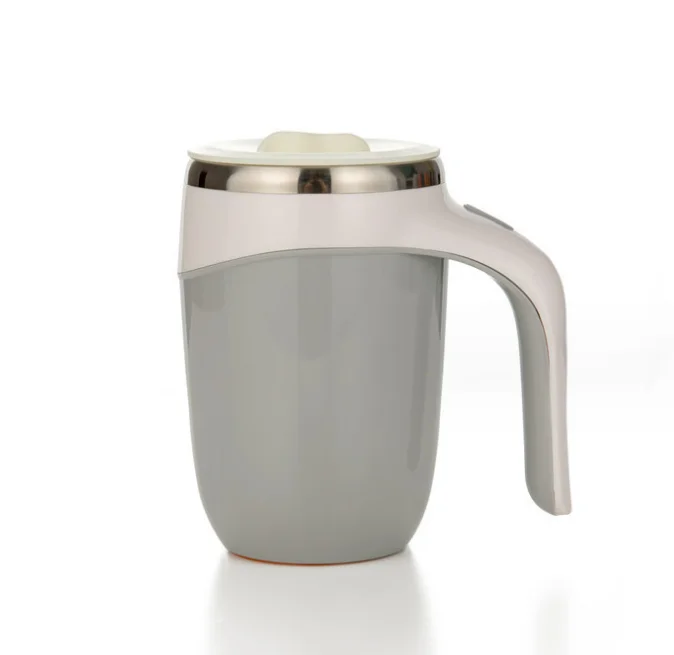
2. The six decoration methods
Laser engraving
A focused beam etches the logo directly into the steel, removing the top color layer to reveal a permanent, tactile mark. It never peels, fades or washes off. Best for premium, minimalist branding on bare or anodized steel. Limited to monochrome (the underlying metal color) and works best on smooth, flat or gently curved surfaces. No ink, so it is the safest option for food-contact-adjacent areas.
Screen printing (silk / pad print)
Ink is pushed through a mesh stencil onto the surface. It allows multi-color logos and fine detail at low per-unit cost, and is the workhorse for promotional drinkware. The trade-off is durability: surface ink can wear at high-contact points over years, and aggressive dishwashing accelerates it. A protective clear-coat top layer extends life meaningfully.
Heat transfer (heat-transfer label)
A pre-printed film is applied with heat and pressure, letting you reproduce photo-grade, full-color artwork — gradients, photographs, complex illustrations — that screen printing cannot. Great for limited editions and detailed brand art. The film sits on the surface, so it is less durable than engraving and is best for mid-lifecycle or design-led products.
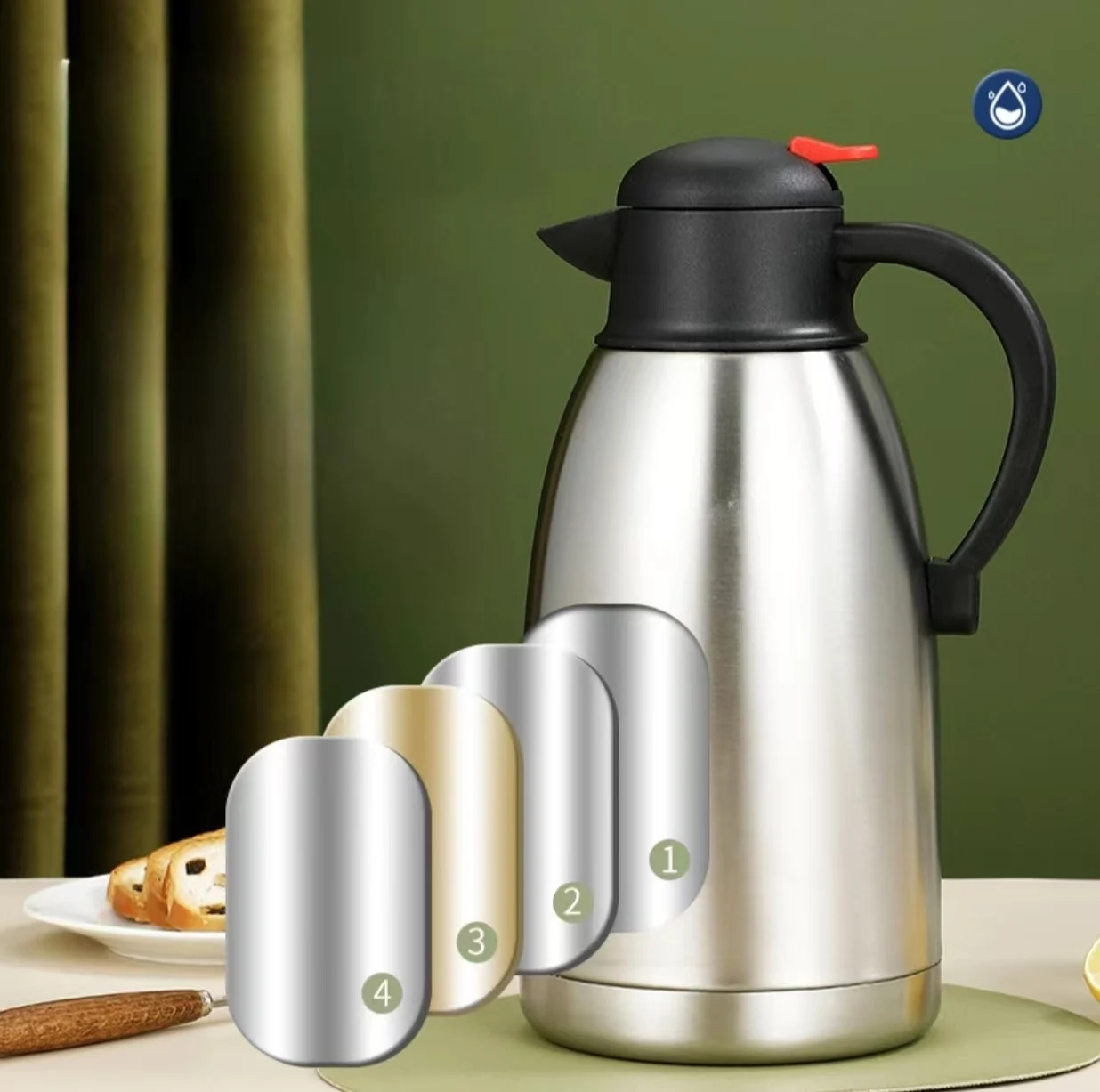
Sublimation
Dye is turned into gas under heat and bonded into a polymer coating, producing edge-to-edge, photographic prints that will not crack or peel because the color is inside the coating, not on top. It requires a polymer or special coated surface rather than bare steel, so it is most common on coated or plastic drinkware and full-wrap promotional designs.
Powder coating (color finish)
Strictly a base finish rather than a logo method, but it is the foundation most branding sits on. Electrostatic powder is cured into a tough, even, chip-resistant color layer in essentially any Pantone shade. It is what lets a factory turn one steel shape into ten different "products." Extremely durable and food-safe on exterior bodies.
3D logo / emboss & deboss
The logo is molded, raised (emboss) or recessed (deboss) into a silicone tag, a base disc or a lid component, giving a premium, physical brand presence that cannot be rubbed off. Often combined with a colored body. Adds a small component and assembly step, so it suits mid-to-premium programs where tactile branding matters.
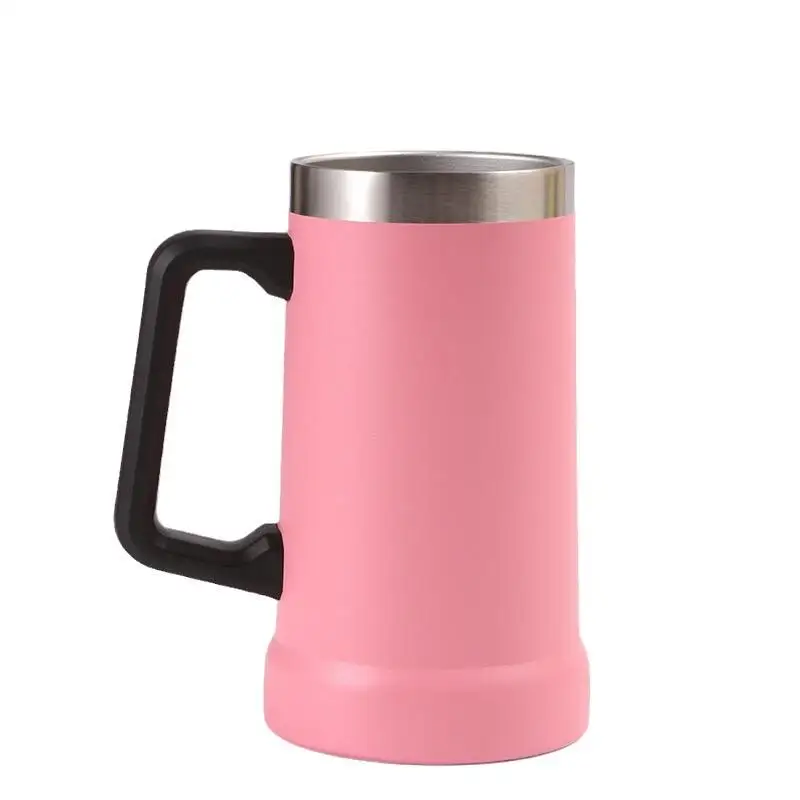
3. Side-by-side comparison
| Method | Durability | Color / detail | MOQ impact | Best for |
|---|---|---|---|---|
| Laser engraving | Excellent (permanent) | Monochrome only | Minimal | Premium, minimalist, outdoor |
| Screen printing | Good (top-coat helps) | Multi-color, fine | Minimal + setup fee | Promotional, high-volume |
| Heat transfer | Medium | Photo-grade, full color | Minimal + setup fee | Limited editions, art-led |
| Sublimation | Very good (in-coating) | Photo-grade, wrap | Needs coated surface | Full-wrap promo designs |
| Powder coat | Excellent | Any Pantone, solid | Minimal | Brand color foundation |
| 3D logo (emboss/deboss) | Excellent (physical) | Tactile, single | Small component step | Mid-to-premium tactile branding |
4. How to choose by product and market
The right method follows the product's job:
| If your product is… | Recommended finish | Why |
|---|---|---|
| A premium insulated bottle | Powder coat + laser logo | Color shelf appeal plus permanent mark |
| A low-cost promo tumbler | Screen print logo | Lowest cost at volume |
| A design-led gift item | Heat transfer / sublimation | Photo art and gradients |
| A corporate outdoor flask | Laser engraving | Survives rugged, washed use |
| A kids' bottle (plastic) | Sublimation on coated body | Wrap art, no peel |
5. Food-contact safety of inks and coatings
Decoration on the exterior body is generally low risk. The compliance-sensitive zone is anything in the liquid path: lids, gaskets, straws and any printed area that touches the mouth. Two principles keep you safe:
- Use food-grade materials for all contact parts — inks, adhesives, silicones and coatings must meet the destination market's rules (FDA in the US, LFGB in Germany/EU).
- Keep documentation with every shipment — SGS, TÜV, ISO 9001, FDA and LFGB files should cover both the steel and the plastic/printed components.
We supply compliance files for every contact component regardless of which decoration you choose, and we will flag any artwork that risks putting non-compliant material in the liquid path before production — not after a customs hold.
6. QC checks for decorated ware
Decoration failures are the most common reason a "good" shipment gets complaints. Confirm these in writing before mass production:
- Adhesion test — tape-pull or cross-cut on printed/transferred surfaces.
- Abrasion / dishwasher cycle test — a defined number of cycles with a pass criteria.
- Color match — approved Pantone or physical sample signed off against the bulk run.
- Logo position & registration — tolerance stated (e.g. ±1.5 mm) and checked per carton.
- Edge coverage for powder coat — no bare spots, no orange-peel defect.
- Contact-part certificates on file for every decorated component.
7. FAQ
Which decoration is most durable for a reusable bottle?
Laser engraving and powder-coat color are the most durable because they are etched into or fused with the surface and do not peel or fade with dishwashing. Screen printing and heat transfer sit on the surface and can wear over years of use; they are best for short-to-mid lifecycle promotions.
Does decoration affect food-contact compliance?
Yes, if any ink, coating or adhesive touches the liquid path. Decoration on the exterior body is generally low risk, but printed lids, gaskets and straws must use food-grade, compliant materials. We supply FDA/LFGB documentation for all contact parts regardless of decoration.
What is the minimum order impact of custom decoration?
Most decoration methods add little to MOQ beyond the product's base MOQ (often 500–1,000 pcs for ODM stock shapes). The main extra is a one-time setup or plate/screen fee, which is amortized across the run. Exact setup cost is confirmed per artwork.
Can I combine techniques, e.g. powder coat plus laser logo?
Yes. A very common premium build is a powder-coated colored body with a laser-engraved logo — the color gives shelf appeal and the engraving gives a permanent, tactile brand mark. Mixed finishes are standard on our 167+ catalog models.
Want to see your logo on a real sample?
Send us your artwork and target product. We produce a decorated sample in 5–7 days and refund the sample fee on your bulk order — so you validate the finish before committing volume.
Yongkang STWADD Houseware Co., Ltd. (the manufacturer behind SSMug) is a factory-based drinkware supplier, not a trading company. We hold SGS, TÜV, ISO 9001, FDA and LFGB certifications, operate 500,000+ units of monthly capacity across 167+ models, and quote decoration options itemized so you can compare finishes on a like-for-like basis.
Talk to our team about your finish
No forms, no waiting. One email and you'll be discussing decoration, MOQ and lead time with our sourcing team — typically within one business day.